
Saree Types · Silk
Silk Sarees: The Timeless Queen of Indian Drapes
From rich Banarasi brocades to temple-bordered Kanjivarams — discover every major silk saree, what makes each one special and how to pick a genuine piece.
Why Silk Sarees Never Go Out of Style
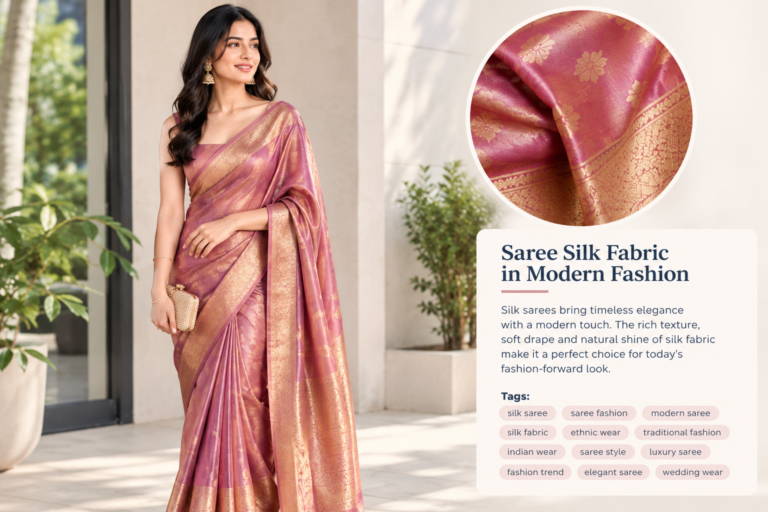
A silk saree is more than an outfit. For generations it has been the drape chosen for weddings, festivals, pujas and once-in-a-lifetime moments — and it is often the piece passed down from mother to daughter. Silk holds colour beautifully, falls in soft, heavy pleats and catches light in a way no other fabric can.
India alone produces dozens of distinct silk weaves. Each region uses its own looms, motifs and zari techniques, so two silk sarees can look and feel completely different. At Saree Design Hub we break those differences down so you can choose with confidence, whether you are buying your first pure silk saree or adding a heritage weave to your collection.

Popular Types of Silk Sarees
These are the silk sarees most searched for — and most worn — across India and the South Asian diaspora.
Banarasi Silk Saree
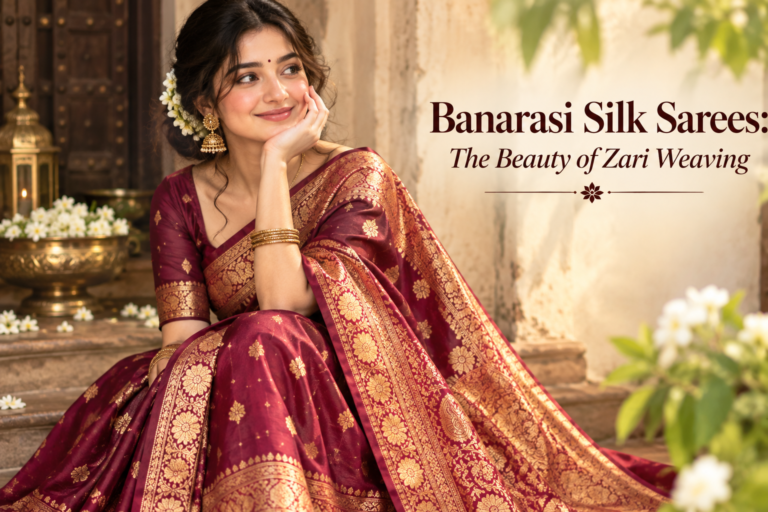
Woven in Varanasi with gold and silver zari, Banarasi sarees are known for Mughal-inspired florals, kalga and bel motifs and heavy brocade pallus. A classic bridal choice.
Kanjivaram (Kanchipuram) Silk
From Tamil Nadu, Kanjivaram sarees use thick mulberry silk with contrast temple borders. The body and border are woven separately and interlocked, which makes them famously durable.
Mysore Silk Saree
Lightweight, smooth and lustrous, Mysore silk has minimal design and a fine zari border. Perfect for anyone who wants pure silk without the weight.
Tussar (Kosa) Silk
A wild silk with a natural golden, textured finish. Tussar is popular for hand-painted, block-printed and Madhubani designs and works well for festive day events.
Patola Silk Saree
A double-ikat weave from Patan, Gujarat, where both warp and weft are tie-dyed before weaving. Geometric, vibrant and one of the most prized handloom sarees in India.
Paithani Silk Saree
Maharashtra's royal weave with peacock and lotus motifs on the pallu and an oblique-square border. Paithani is a must-have for Marathi weddings.
Soft Silk & Art Silk
Soft silk is lighter and easier to drape, while art silk is a budget-friendly blend that mimics the shine of pure silk — great for regular festive wear.
Raw Silk Saree
Slightly coarse with a matte, textured look. Raw silk holds structure well and suits modern, minimal designs and contemporary blouse cuts.
Organza & Tissue Silk
Sheer, crisp and glamorous. Organza and tissue silk sarees are a favourite for receptions, cocktail events and modern bridesmaid looks.
How to Identify a Pure Silk Saree
Buying a genuine silk saree is an investment, so it helps to know the simple checks experienced buyers use:
- Look for the Silk Mark: The Silk Mark Organisation of India tags certified pure silk products. Always ask for it on high-value pieces.
- Feel the warmth: Rub the fabric between your fingers. Real silk warms up quickly, while polyester stays cool and slippery.
- Check the reverse side: Handloom silk often has small irregularities and floats on the back — a sign of hand weaving, not a defect.
- Test the zari: Pure zari is silver thread coated in gold. Scratch a loose thread gently; if a red or copper core appears, it is pure or semi-pure zari.
- The burn test (on a loose thread): Pure silk smells like burnt hair and turns to soft ash, while synthetic fibres melt into hard beads.
How to Choose the Right Silk Saree for the Occasion
For your wedding: Go for a heavy Banarasi, Kanjivaram or Paithani in red, maroon, gold or emerald. Rich zari and broad borders photograph beautifully.
For family functions and festivals: Mysore silk, soft silk or Tussar in mustard, pink, green or peacock blue keep you elegant and comfortable through long hours.
For office and formal events: Choose a lightweight silk with a thin border in pastel or muted jewel tones and pair it with a structured blouse.
For receptions and evenings: Organza, tissue or a modern raw silk with sequins or a contrast blouse gives a contemporary, party-ready look.
Styling Tips for Silk Sarees
- Keep pleats crisp — silk looks best with 5–7 neat pleats pinned firmly at the waist.
- Pair heavy zari sarees with temple, kundan or antique gold jewellery; keep lighter silks modern with pearls or statement earrings.
- Choose blouse fabric from the saree’s own border for a traditional look, or a contrast brocade blouse for a modern twist.
- Opt for a satin or silk petticoat so the drape falls smoothly instead of clinging.
How to Care for Your Silk Saree
Dry clean your silk saree for the first few washes, and never wring or machine-wash pure silk. Store it in a muslin or cotton cloth rather than plastic so the fabric can breathe. Refold heavy zari sarees every few months to prevent permanent creases from cracking the zari, and keep them away from direct sunlight and perfume, which can stain and fade the silk.
Related Saree Guides
Dive deeper with our detailed guides from the Saree Design Hub blog.

Frequently Asked Questions
Which silk saree is best for a wedding?
Banarasi and Kanjivaram silk sarees are the most popular choices for weddings because of their rich zari work, heavy drape and auspicious colours like red, maroon and gold. Paithani is a favourite for Maharashtrian brides.
How can I check if my silk saree is pure?
Look for the Silk Mark label, feel whether the fabric warms up when rubbed, inspect the reverse for handloom irregularities and, if possible, burn a loose thread — pure silk smells like burnt hair and leaves soft ash.
What is the difference between Banarasi and Kanjivaram silk?
Banarasi sarees come from Varanasi and feature fine Mughal-inspired brocade and floral motifs, while Kanjivaram sarees from Tamil Nadu use heavier silk with bold contrast temple borders that are woven separately and interlocked with the body.
Which silk saree is lightweight and easy to wear?
Mysore silk, soft silk and organza silk sarees are lightweight, easy to drape and comfortable for long events, making them ideal for first-time saree wearers.
Can I wash a silk saree at home?
It is best to dry clean pure silk sarees. If needed, a gentle hand wash in cold water with a mild silk detergent is possible for soft silk, but never wring, soak for long or machine-wash heavy zari sarees.
Find Your Perfect Saree
Silk is only the beginning — explore bridal, designer, georgette, chiffon and traditional regional sarees in our complete saree type guides.
